Tenant Rights During the Eviction Process Explained

Understanding the legal framework surrounding tenant rights during eviction process is essential for anyone facing eviction. Tenants have the right to receive proper notice, a fair hearing, and in many cases, an opportunity to remedy the situation before eviction proceeds. By knowing these rights and following the legal procedures, tenants can navigate this challenging period more effectively and ensure that their rights are upheld. However, eviction laws can be complex, highlighting the importance of seeking guidance to protect living arrangements and prevent unlawful actions during the eviction process.

Key Takeaways

  • Understand eviction laws to protect tenant rights.
  • Document communication with the landlord.
  • Review lease agreements for rights and obligations.
  • Seek legal advice if needed during the process.
  • Educate yourself to effectively advocate for your rights.

Understanding Tenant Rights

When maneuvering through the complexities of the eviction process, it is crucial for tenants to have a firm grasp on their rights and protections as outlined by the law. Understanding your rights empowers you to navigate this challenging situation with confidence and clarity. By being informed about what the law states regarding eviction procedures, tenants can guarantee they are treated fairly and justly throughout the process.

Legal Procedures for Eviction
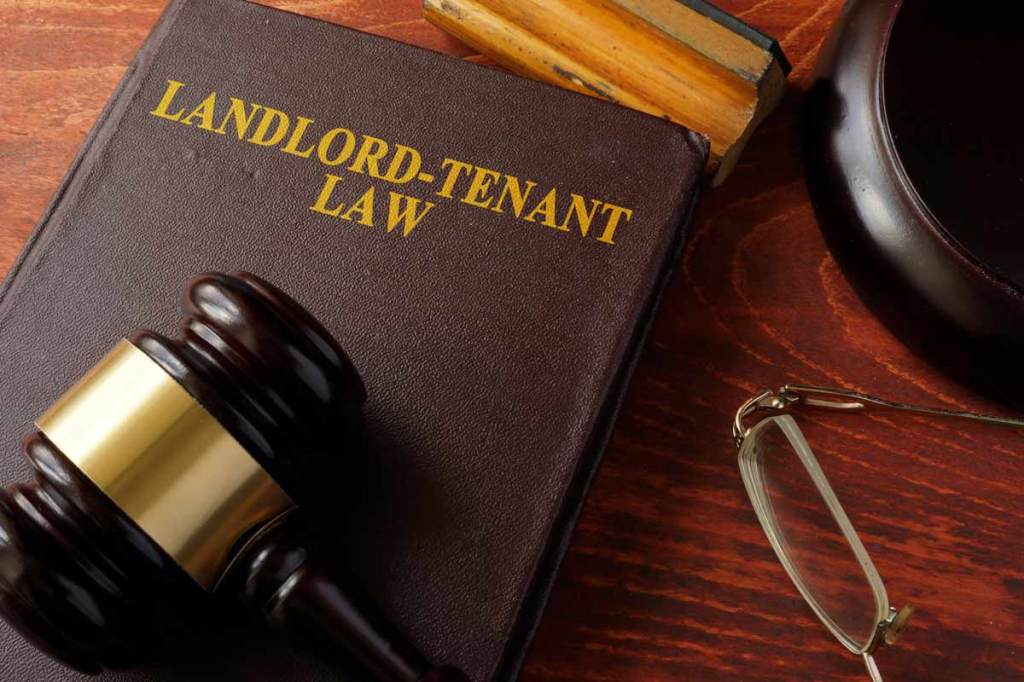
Understanding the legal procedures for eviction is important for tenants facing the prospect of being removed from their rental property. These procedures are governed by specific laws and regulations that outline the steps landlords must follow to evict a tenant legally. It’s vital for tenants to familiarize themselves with these procedures to guarantee their rights are protected and to navigate the eviction process with confidence.

Tenant Responsibilities and Obligations

Tenants must adhere to specific responsibilities and obligations outlined in their lease agreement to maintain a harmonious and mutually beneficial relationship with their landlord. These responsibilities often include timely rent payments, keeping the property in good condition, and following any rules set forth in the lease. By fulfilling these obligations, tenants contribute to a positive living environment and foster a sense of respect and trust with their landlord.

Resources for Tenants Facing Eviction

For individuals in the challenging situation of facing eviction, there are various valuable resources available to provide support and guidance during this difficult time.

1. Local Tenant Rights Organizations: Contact these groups for legal advice and advocacy.

2. Rental Assistance Programs: Seek financial aid to prevent eviction.

3. Legal Aid Services: Access free or low-cost legal representation.

4. Housing Counselors: Get help maneuvering the eviction process and exploring options.

Tips for Protecting Tenant Rights

One essential strategy for safeguarding the rights of individuals renting properties is to familiarize oneself with the relevant laws and regulations governing tenant-landlord relationships. Additionally, maintaining thorough documentation of communication with the landlord, understanding lease agreements, seeking legal advice if needed, and knowing one’s rights can all contribute to protecting tenant rights during the eviction process. Educating oneself about these aspects empowers tenants to advocate for their rights effectively.

Conclusion

To sum up, it is vital for tenants to be aware of their rights during the eviction process to guarantee fair treatment and protection. By grasping legal procedures, responsibilities, and available resources, tenants can advocate for themselves effectively. It is significant to stay informed, document interactions, and seek legal advice if needed to safeguard rights. Educating oneself on tenant rights is imperative for maintaining a secure living situation and preventing unjust removal from rental properties.

Why You Need a Condo Lawyer in Chicago

Exploring the complex legal landscape of condo ownership in Chicago can be daunting. Understanding association bylaws and local regulations is crucial, making the benefits of hiring a condo lawyer in Chicago essential. These legal professionals play a pivotal role in safeguarding your interests and investments by navigating the intricacies of condo laws, ensuring compliance with local regulations, and providing expert guidance on association matters. By hiring a condo lawyer, you can confidently manage the legal challenges of condo ownership in the Windy City, protecting your investment and ensuring peace of mind.

Key Takeaways

  • Expert in Chicago real estate laws and regulations.
  • Ensures compliance with local condo association rules.
  • Protects investments and legal rights in condo ownership.
  • Resolves disputes effectively within the Chicago real estate landscape.
  • Provides peace of mind with local expertise and guidance.

Understanding the Role of a Condo Lawyer

Understanding the critical role of a condo lawyer is essential for handling the complexities of condominium ownership in Chicago. A condo lawyer specializes in legal matters related to condo associations, bylaws, disputes, and contracts. They provide valuable advice on property regulations, compliance issues, and represent clients in legal proceedings if necessary. Their expertise guarantees that condo owners protect their rights and investments within the domain of Chicago’s real estate laws.

Benefits of Hiring a Condo Lawyer

When considering the complexities of condominium ownership in Chicago, the benefits of hiring a condo lawyer become evident in safeguarding your legal rights and interests. A condo lawyer can provide expert guidance on condo association rules, contracts, disputes, and legal obligations. They offer peace of mind by ensuring your transactions are legally sound and protecting you from potential pitfalls in the intricate landscape of condo ownership.

Legal Pitfalls in Condo Ownership

Getting through the world of condo ownership in Chicago can be filled with legal pitfalls that may pose significant risks to your rights and investments.

  1. Failure to Understand CC&Rs: Violating the Covenants, Conditions, and Restrictions can lead to legal action.
  2. Financial Obligations: Not meeting financial obligations such as maintenance fees can result in penalties.
  3. Disputes with Neighbors: Legal conflicts with neighbors over shared spaces or noise disturbances.
  4. Insurance Issues: Misunderstanding insurance coverage can leave you vulnerable in case of damage.

Importance of Local Expertise in Chicago

Understanding the complexities of condo ownership in Chicago demands a deep understanding of the local regulations and nuances, making the expertise of a condo lawyer invaluable. From maneuvering through Chicago-specific laws to resolving disputes within the local real estate landscape, a condo lawyer with specific knowledge of the Chicago market can provide vital insights and guidance to safeguard your interests and guarantee compliance with city ordinances.

How a Condo Lawyer Safeguards Your Investment

Protecting your investment in a condominium involves enlisting the expertise of a condo lawyer to guarantee legal protection and strategic guidance in managing complex real estate matters.

  1. Reviewing Contracts: Ensuring terms are favorable.
  2. Resolving Disputes: Handling conflicts effectively.
  3. Navigating Regulations: Understanding local laws.
  4. Risk Mitigation: Minimizing potential financial losses.

Conclusion

To sum up, the expertise and guidance provided by a condo lawyer in Chicago are essential for navigating the legal complexities of condo ownership. With their knowledge of local real estate laws and regulations, a condo lawyer can protect your rights, investments, and guarantee legal compliance in transactions. By having a condo lawyer by your side, you can mitigate potential legal pitfalls and confidently manage the intricacies of owning a condo in Chicago.